 EN
EN
What Information Is Needed for a Custom Skincare Quote? How Does the Skincare OEM Process Work?
Introduction
When a beauty brand contacts a skincare OEM manufacturer, the first question is often simple: "How much does this product cost?" In reality, a reliable custom skincare quote cannot be calculated from the product name alone. A face cream, serum, cleanser, body lotion, or intimate care product can have very different prices depending on the formula direction, active ingredients, packaging structure, order quantity, testing requirements, and export market.
For new brands, this may feel complicated at first. However, once the basic information is prepared clearly, the quoting process becomes faster and more accurate. A professional OEM factory does not only provide a price; it helps the brand understand the relationship between formula, packaging, compliance, production cost, and market positioning.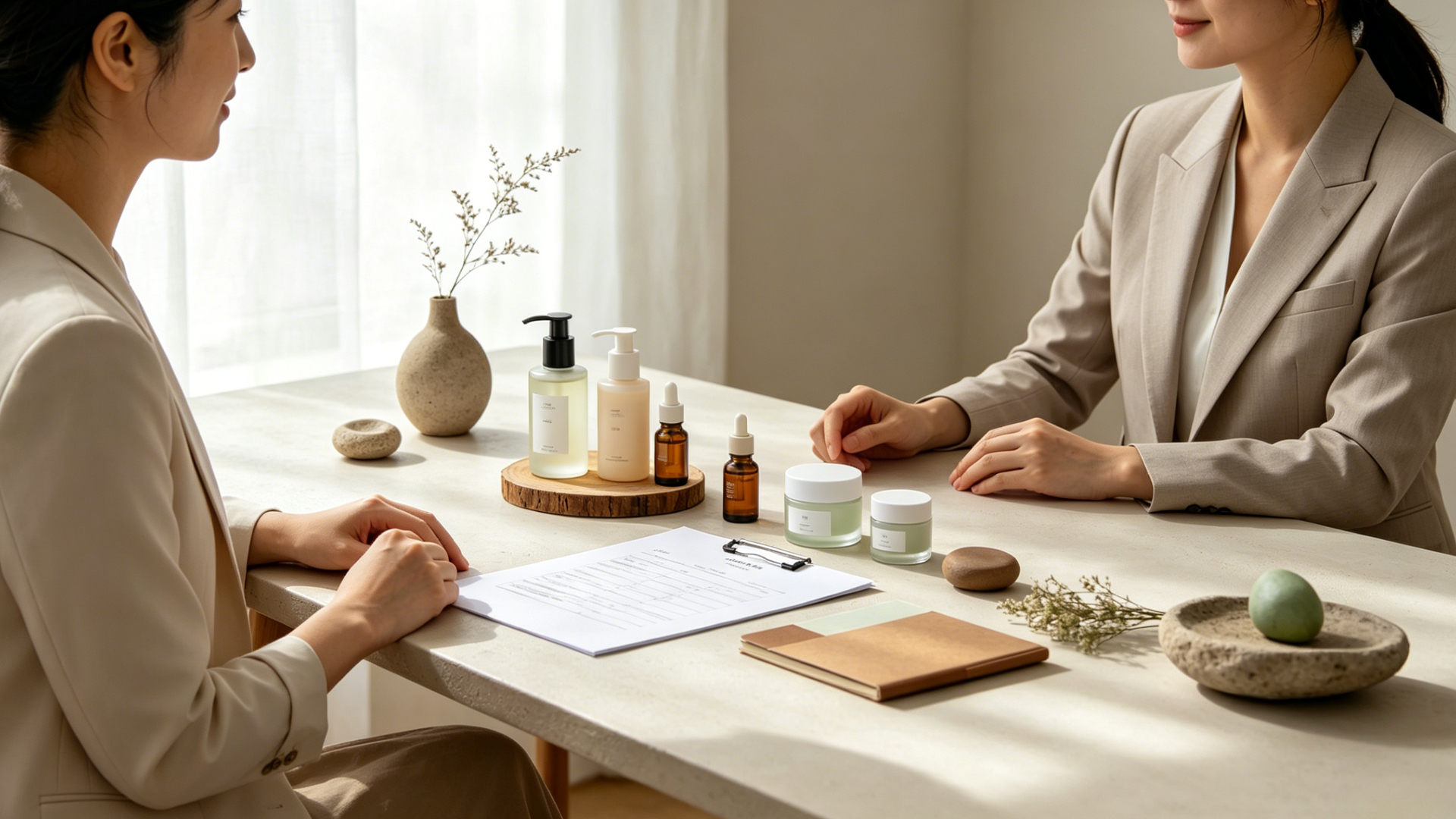
Why a Custom Skincare Quote Needs Detailed Information
Skincare products are not standard items. The final unit price is usually made up of several parts: bulk formula, primary packaging, secondary packaging, labeling, filling, labor, quality control, documentation, and sometimes special testing. A small change in one part can affect the entire quotation.
For example, a lightweight gel cream in a simple jar may have a very different cost from a rich anti-aging cream packed in an airless pump bottle and paper box. A standard cleanser is usually easier to quote than a customized formula using multiple botanical extracts, fermented ingredients, or a special texture requirement. This is why professional factories ask detailed questions before giving a final price.
1. Product Type and Basic Concept
The first piece of information is the product type. Is the brand looking for a facial serum, moisturizer, cleanser, toner, sunscreen, body wash, hair care product, or intimate care product? Each category has different formula structures, packaging options, production methods, and compliance considerations.
Beyond the category, the brand should describe the product concept. Instead of saying "I need a face cream," it is more helpful to say "I need a lightweight moisturizing cream for dry and dull skin, with a natural botanical scent and a smooth, non-greasy finish." If the brand has a reference product, it can share links, photos, ingredient lists, packaging images, or texture descriptions. These references help the factory understand the expected market level without simply copying another brand.
2. Target Market and Customer Positioning
A custom quote should always consider where the product will be sold. A product for the United States, the European Union, Southeast Asia, or the Middle East may require different label formats, ingredient restrictions, documentation, or claim wording. Even when the base formula is similar, the final requirements can vary by market.
Customer positioning is equally important. Is the product for a premium spa brand, an Amazon private-label brand, a clinic-style skincare line, a natural beauty store, or a mass-market retail channel? A premium product may need higher-end packaging and stronger sensory performance. A mass-market product may require a more cost-controlled formula and packaging structure. When the manufacturer understands the sales channel and retail price level, it can recommend a more suitable solution.
3. Formula Direction and Key Ingredients
The formula direction is one of the most important factors in a skincare quotation. A brand may want a natural formula, a herbal skincare concept, a vegan formula, a fragrance-free product, a sensitive-skin-friendly direction, or a product built around specific ingredients such as centella asiatica, ginseng, green tea, rice extract, reishi mushroom, niacinamide, peptides, hyaluronic acid, or ceramides.
A factory can usually provide two development paths. The first is a stock formula or an existing mature formula, which can reduce development time and cost. The second is a customized formula, which gives the brand more flexibility in texture, ingredients, function direction, and market differentiation. Customized formulas are more suitable for brands that want a stronger product identity, but they may require longer development time and sample adjustment.
Brands should also be careful with product claims. In western markets, skincare claims should stay within cosmetic language. Words related to treatment, curing, disease prevention, or medical results should be avoided unless the product is legally registered in the appropriate category.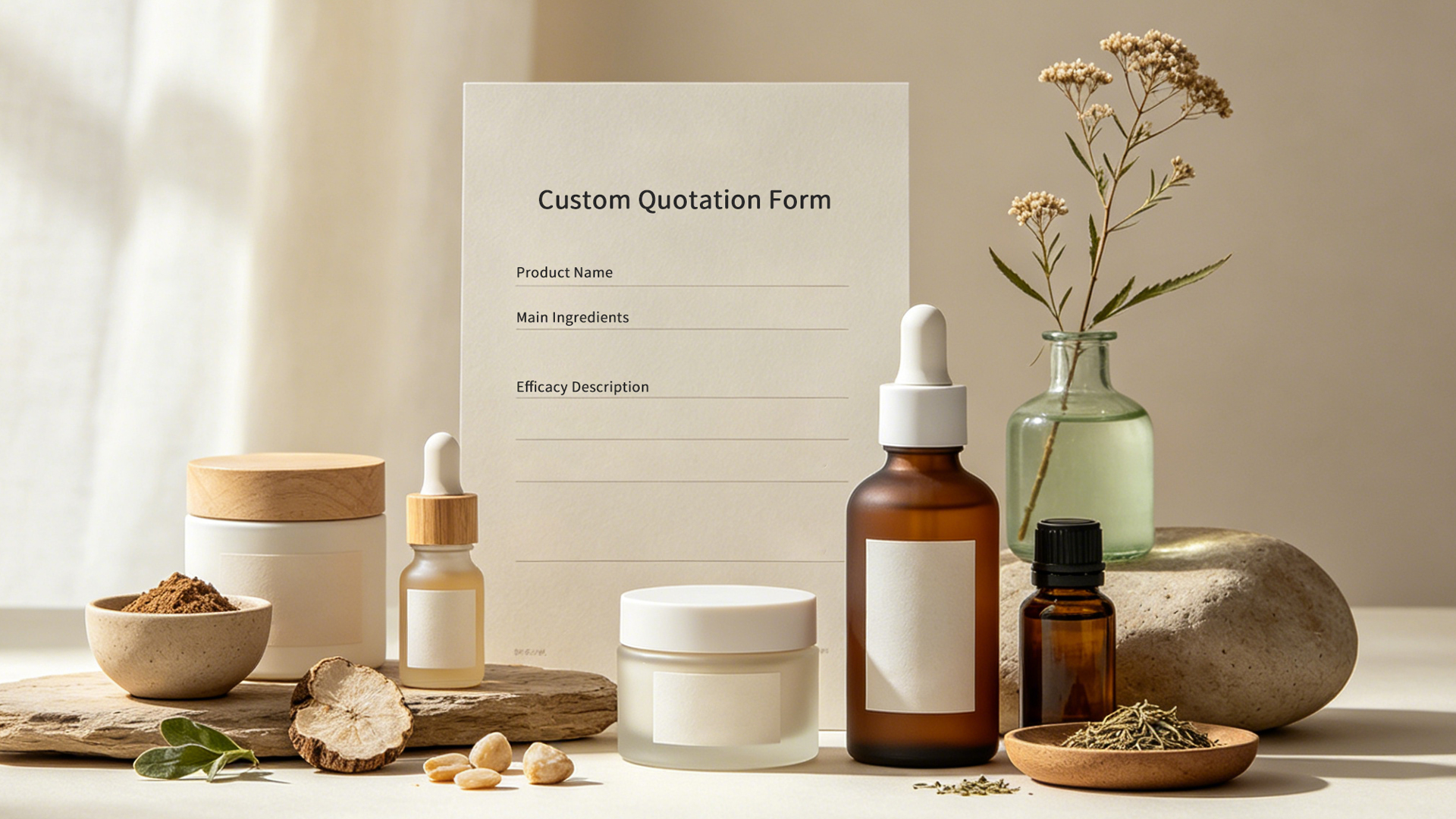
4. Packaging, Size, and Decoration Requirements
Packaging can significantly change the final cost. The brand should provide the expected size, bottle type, jar type, tube type, pump style, cap style, material preference, color, label method, box requirement, and any special decoration such as silk-screen printing, hot stamping, matte coating, metallic finish, or embossed paper box.
It is also helpful to confirm whether the brand needs primary packaging only or a full retail set with bottle, label, outer box, shrink film, and carton. For e-commerce brands, protective packaging and shipping durability may also need attention. If the brand is unsure which packaging to choose, the OEM factory can recommend options based on texture, target price, and market style.
5. Order Quantity and Price Target
The minimum order quantity is another key part of the quotation. In skincare OEM production, MOQ is usually affected by packaging availability, formula batching, filling line setup, and printing requirements. Some standard packaging options can support lower MOQs, while custom-molded bottles or special printed packaging may require higher quantities.
Brands should also share their target price range when possible. A clear price target helps the factory recommend realistic solutions. If the brand needs an entry-level product, the manufacturer can suggest a cost-efficient formula and standard packaging. If the brand wants a premium product, the manufacturer can focus on texture, ingredient story, and packaging presentation.
6. Documentation, Testing, and Compliance Needs
Before quoting, the factory should understand what documents the brand needs. Common documents may include an ingredient list, COA, MSDS, product specification, production flow, quality inspection report, stability testing information, microbiological testing, and export documents. Different markets and sales channels may request different levels of documentation.
For international products, labeling and claim wording should be reviewed carefully. A phrase that sounds attractive in marketing may create compliance risks if it implies medical treatment or exaggerated performance. Experienced OEM manufacturers usually support both production and basic document preparation, helping the brand move more smoothly from development to export.
How the Skincare OEM Process Usually Works
After the quotation information is clear, the OEM process usually moves through several practical steps. First, the brand provides product requirements, reference products, target market, quantity, packaging direction, and budget. The factory then evaluates the project and provides a preliminary proposal or quotation.
Second, the formula team prepares samples based on the agreed direction. For a stock formula, sample preparation may be faster. For a customized formula, the process may involve several rounds of adjustment, including texture, fragrance, absorption, viscosity, color, and skin feel. The goal is not only to make the product look good, but also to make it stable and suitable for filling.
Third, the packaging is confirmed. This includes bottle or jar selection, label size, artwork, printing method, box design, and carton information. Packaging confirmation should not be delayed too long, because packaging lead time often affects the full production schedule.
Fourth, the brand confirms the final sample and packaging artwork. The factory then prepares production materials, bulk manufacturing, filling, coding, labeling, boxing, and quality inspection. During production, quality control should cover raw material inspection, in-process control, finished product inspection, and packaging appearance checks.
Finally, the goods are packed for shipment, and export documents are prepared according to the customer's requirements. A professional OEM partner should keep communication clear during each stage, especially when there are changes in packaging, formula, lead time, or shipping arrangements.
Conclusion
For beauty brands, preparing a custom skincare quote is not only about asking for a unit price. It is the first step in building a product that fits the target market, brand identity, retail channel, and customer expectations. The more clearly a brand can explain its product concept, market, packaging, order quantity, and documentation needs, the more accurate and useful the quotation will be.
The skincare OEM process works best when both sides communicate early and clearly. A reliable manufacturer should not only make the product but also help the brand turn an idea into a practical, stable, and market-ready item. From formula development to packaging and production, every step should support the same goal: creating skincare products that are commercially realistic, compliant in positioning, and valuable for the final consumer.