 EN
EN
Eastern Herbal Skincare Meets Modern Cosmetic Formulation
Introduction
Beauty consumers are no longer impressed by a long ingredient list alone. They want products that feel gentle, make sense in a daily routine, and carry a clear story behind the formula. This is one reason Eastern herbal skincare has become more interesting to global beauty brands. Ingredients such as ginseng, centella asiatica, reishi mushroom, green tea, licorice root, mugwort, camellia, and tremella are not new to Asian personal care culture. What is changing is the way these botanicals are being extracted, tested, formulated, and positioned for modern skincare products.
For ODM brands, the opportunity is not simply to add a plant extract to a cream and call it herbal skincare. The real value comes from combining traditional herbal inspiration with cosmetic formulation science. A successful product needs a clear skin benefit, pleasant texture, stable appearance, suitable packaging, reasonable cost, and compliant marketing language. When these elements work together, Eastern herbal skincare becomes a practical product direction for cleansers, toners, serums, creams, masks, and sensitive-skin formulas.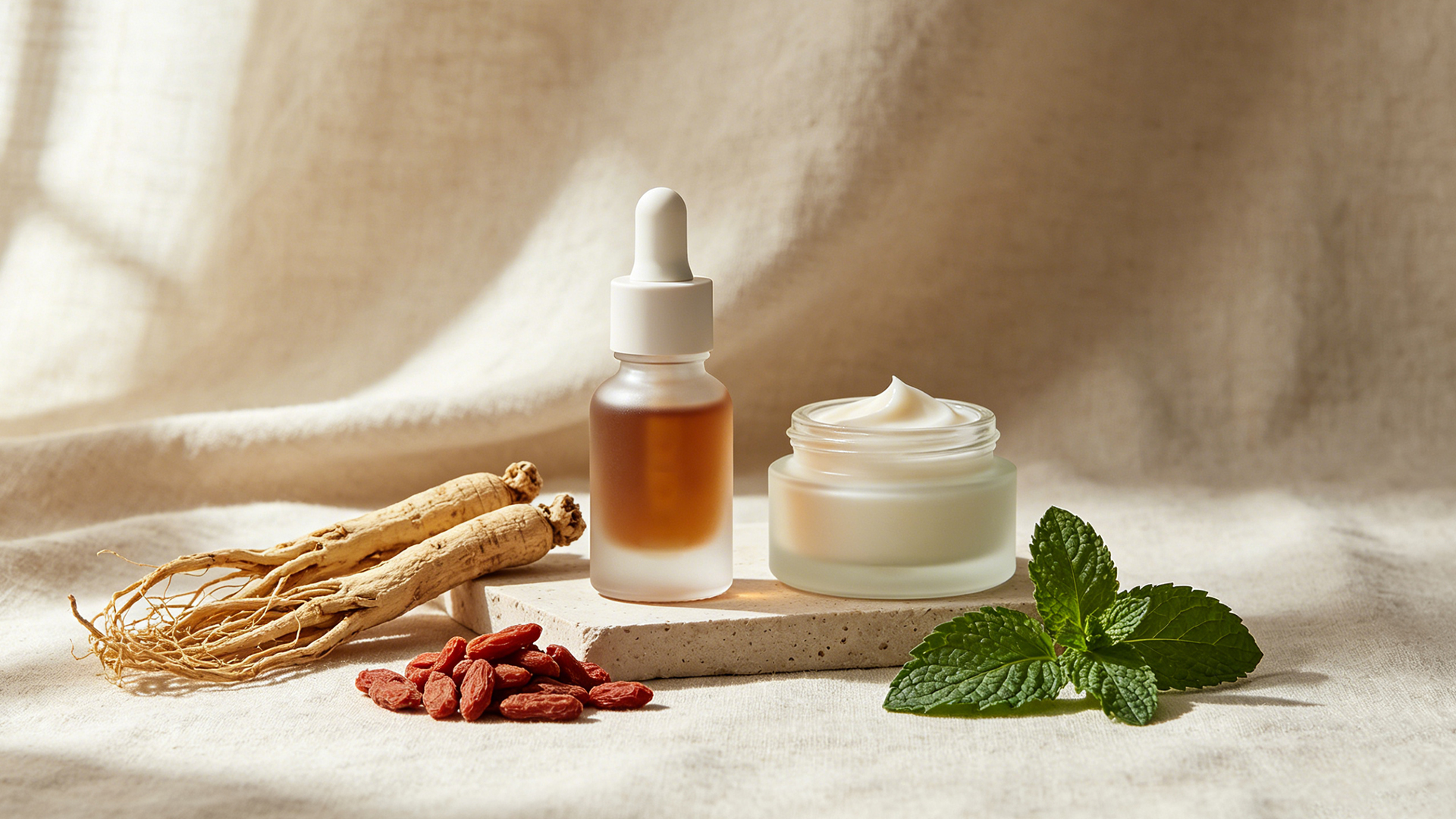
Why Eastern Herbal Skincare Appeals to Modern Consumers
Eastern herbal skincare has a natural advantage in storytelling. Many botanical ingredients are associated with balance, comfort, recovery, and daily care. Western consumers may not know every herb in detail, but they understand the appeal of plant-based formulas, gentle routines, and skin health support. In today’s beauty market, many customers are moving away from harsh, aggressive positioning. They are more open to products that support the skin barrier, reduce the feeling of discomfort, and maintain a healthier-looking complexion over time.
This fits well with the way many Eastern botanicals are understood. Ginseng is often linked with vitality and radiance. Centella asiatica is widely recognized for sensitive skin and soothing care. Green tea brings antioxidant and oil-control associations. Reishi and tremella connect naturally with hydration, comfort, and resilience. Licorice root is often used in brightening and tone-evening product concepts. These ingredients give brands a richer product language than ordinary functional claims, which is valuable for private label and ODM beauty lines looking for differentiation.
Modern Formulation Turns Herbal Ideas into Real Products
A strong herbal skincare idea still needs a strong formulation system. Modern cosmetic formulation helps transform raw botanical inspiration into products that are safe, stable, and enjoyable to use. This includes choosing the right extract type, controlling color and odor, adjusting pH, selecting compatible emulsifiers, building a suitable preservative system, and testing the formula under realistic storage conditions.
A ginseng firming cream should not feel heavy just because it contains a traditional herbal ingredient. A centella serum should not feel sticky or medicinal. A green tea cleanser should foam comfortably without stripping the skin. These details matter because consumers judge the product not only by the ingredient story, but also by the first touch, the spreadability, the absorption, the scent level, and the way the skin feels after use.
This is where ODM development becomes important. A professional manufacturer can help a brand convert a broad idea into a formula brief: target skin type, main benefit, texture, fragrance direction, packaging format, price range, MOQ, and market requirements. The formulation team then decides which botanicals are suitable, which base system fits the product, and how to make the formula commercially stable.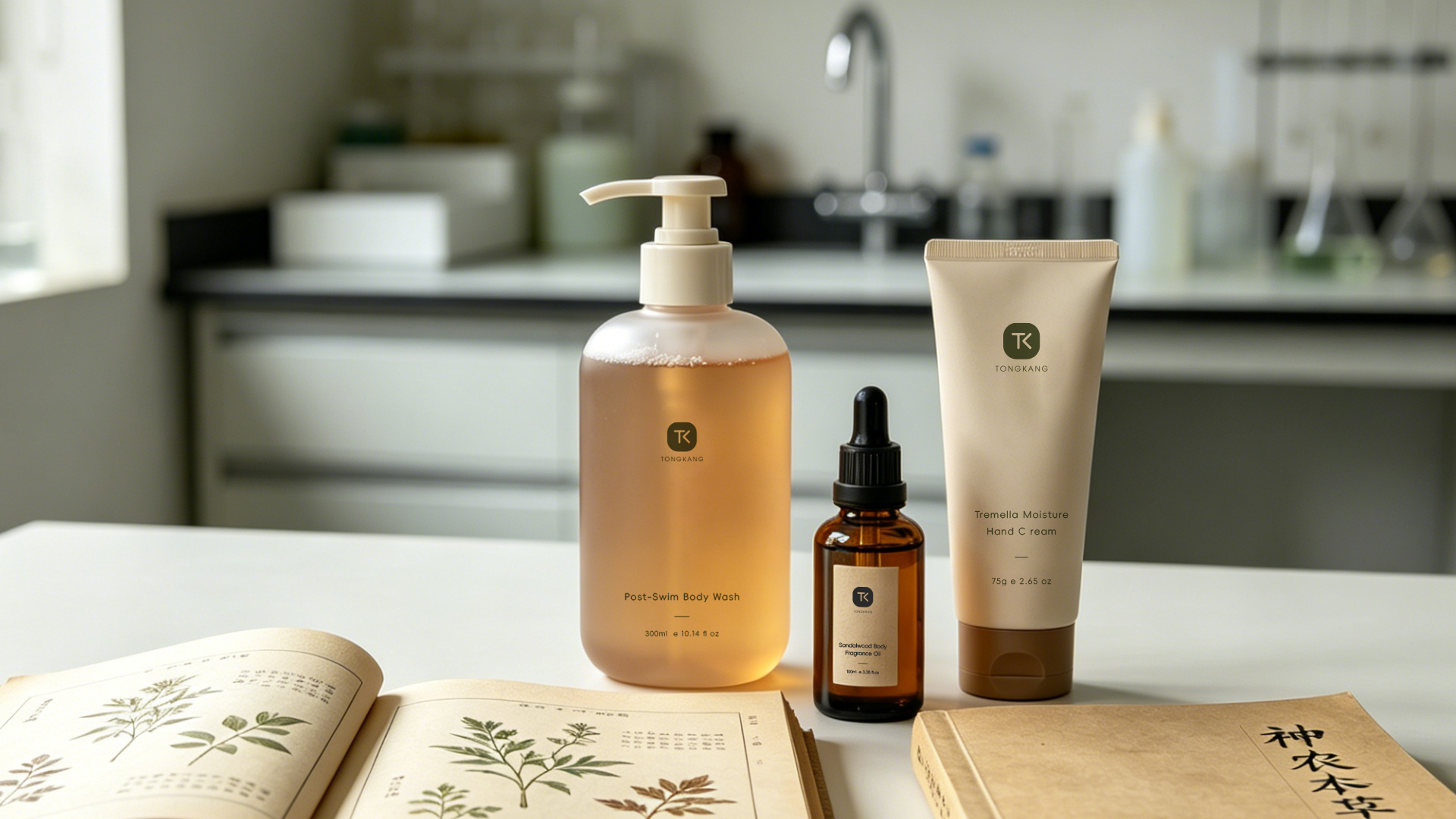
Key Herbal Ingredients with Strong ODM Potential
Several Eastern-inspired ingredients are especially suitable for modern skincare product development. Ginseng extract works well in firming creams, revitalizing serums, eye care, and premium anti-aging concepts. It gives a formula a sense of energy and luxury without needing exaggerated claims. Centella asiatica is ideal for sensitive skin, barrier support, after-sun care, facial masks, and soothing serums. Its global recognition makes it easier for brands to communicate the product benefit clearly.
Green tea is useful for oil-control cleansers, lightweight lotions, pore-care products, and antioxidant daily care. Licorice root can support brightening and tone-evening concepts, especially when paired with gentle moisturizers and barrier-friendly ingredients. Reishi mushroom and tremella are valuable for hydration, comfort, and premium botanical skincare. Mugwort, camellia, rice ferment, peony, chrysanthemum, and honeysuckle can also be developed into strong product concepts when they are matched with the right product format.
The key is not to force every herb into every formula. Each botanical should have a reason to be there. A cleanser may need comfort and mildness. A serum may need a more focused benefit. A cream may need richer nourishment and long-lasting skin feel. A mask may need immediate comfort and visual appeal. Good ODM development connects the ingredient with the product format and the target user.
Balancing Natural Positioning with Scientific Credibility
One common mistake in herbal skincare marketing is relying too much on vague natural language. Western buyers and consumers are familiar with words like botanical, clean, natural, herbal, and plant-based, but these words are not enough by themselves. They need to be supported by a credible formulation logic. Instead of saying a product is simply inspired by ancient herbal wisdom, a stronger product page should explain how the selected plant extract supports the formula’s purpose.
A centella soothing serum can be positioned as a lightweight daily formula for skin that feels dry, tight, or easily stressed. A ginseng cream can be described as a botanical firming moisturizer designed for dull and tired-looking skin. A green tea cleanser can be presented as a refreshing daily cleanser for combination or oily skin. This kind of language is easier for Western readers to understand because it connects ingredient, texture, user need, and daily routine.
At the same time, brands must avoid medical or drug-like claims unless the product is legally registered for that purpose. Cosmetic language should focus on appearance, comfort, hydration, radiance, smoothness, softness, barrier support, and daily care. This is especially important for export-oriented ODM projects, where packaging claims and website descriptions may need to fit different regulatory environments.
Product Concepts That Combine Herbal Direction and Modern Skincare
There are many practical ways to turn Eastern herbal skincare into market-ready products. A ginseng firming cream can be developed as a premium facial moisturizer for mature or tired-looking skin. A centella barrier serum can target sensitive-skin routines with a lightweight, fast-absorbing texture. A green tea balancing cleanser can serve younger consumers looking for freshness and oil-control comfort. A tremella hydrating toner can fit a gentle, moisture-focused product line. A reishi recovery cream can be positioned for nighttime comfort and dry-skin care.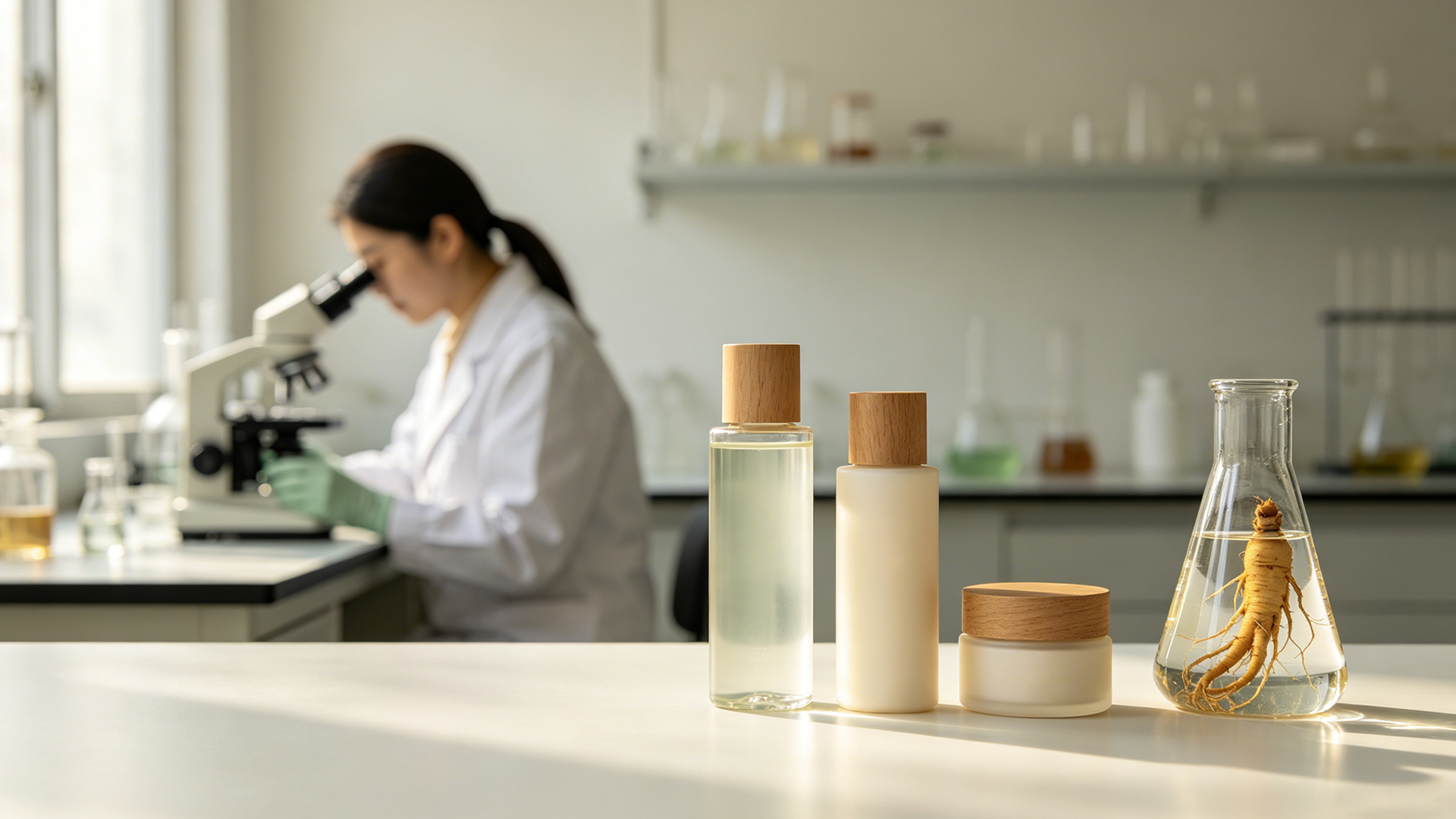
What ODM Brands Should Prepare Before Development
To develop an effective herbal skincare product, a brand should prepare more than a product name. A clear brief should include the target market, target user, product type, desired texture, main benefit, preferred ingredients, fragrance direction, packaging idea, expected order quantity, and target price range. If the brand already has a reference product, it should explain what it likes and what should be different. This saves time and helps the manufacturer give more accurate suggestions.
The ODM team can then recommend formula options, packaging solutions, sample timelines, MOQ, and cost structure. For herbal skincare, the manufacturer may also advise which ingredients are suitable for the chosen product type. Some extracts are better for water-based products, while others work better in creams or oils. Some botanicals may affect color, odor, or formula stability. These technical details are important because a beautiful concept must still survive production, filling, storage, shipping, and consumer use.
Conclusion
Eastern herbal skincare has strong global potential because it gives beauty brands a meaningful way to combine nature, culture, and modern product performance. However, the future of herbal skincare is not about simply copying traditional ideas. It is about translating selected botanicals into well-designed cosmetic formulas that meet today’s expectations for texture, safety, stability, and clear product benefits.
For ODM brands, this approach creates a practical path to differentiation. A product can feel natural without being old-fashioned. It can carry Eastern herbal character while still meeting Western expectations for clean design, simple communication, and reliable performance. When traditional botanical knowledge meets modern cosmetic formulation, skincare becomes more than a product with plant extracts. It becomes a thoughtful solution built for real consumers, real routines, and real global markets.