 EN
7 Red Flags to Watch for When Auditing a Chinese Skincare OEM Manufacturer
When evaluating a Chinese skincare OEM manufacturer for your brand, due diligence extends well beyond reviewing a website and a price quote. The factory audit stage—whether in-person or through a structured document review—is where the real supplier vetting happens. As a procurement professional working through multiple evaluation cycles in the personal care space, the question I consistently return to is not whether a manufacturer's facility looks impressive, but whether the evidence behind their claims holds up under scrutiny.
China's cosmetics manufacturing sector ranges from GMP-aligned facilities with strong documentation to smaller operations that use certification language without the underlying systems to support it. Knowing which side of that line your shortlisted skincare OEM manufacturer sits on can protect your brand from first-shipment quality surprises, regulatory exposure, and the kind of costly reformulation that eats into launch budgets. If your target market is the US, EU, or another regulated import destination, these distinctions become even more consequential.
Here are seven red flags that consistently signal a manufacturer whose practices may not match their claims.
Red Flag 1: No Verifiable GMP Documentation
A verbal claim of GMP compliance without supporting documentation is not a meaningful assurance. Legitimate skincare OEM manufacturers operating under China's NMPA framework—which significantly tightened cosmetic production requirements in 2021—and those targeting export markets should be able to produce GMP-related records on request. The internationally recognized benchmark is ISO 22716, which covers manufacturing, control, storage, and shipment across cosmetic production.
The US FDA also publishes a formal GMP Inspection Checklist for Cosmetics covering equipment condition, personnel training records, raw material controls, laboratory test documentation, and labeling practices. A manufacturer serious about factory audit readiness will have documented responses to each of these areas. If a factory presents only a verbal claim or a certificate that cannot be traced to a recognized issuing body, treat this as a gap worth investigating further before committing.
Red Flag 2: Refusal to Share Batch Records
One of the clearest signals that a skincare OEM manufacturer's quality culture may be weak is an outright refusal to share any batch manufacturing records, even in redacted form. In a well-run facility, batch records document the production history for every lot—ingredient quantities, in-process checks, yield calculations, and release signatures. A manufacturer does not need to expose a client's proprietary formula to demonstrate that these records exist and are maintained consistently.
A redacted sample showing the record format, control entry frequency, and sign-off structure is a reasonable request during supplier vetting. If they refuse or seem unfamiliar with what batch records are, the documentation culture at that facility is worth questioning.

Red Flag 3: The Claim That No Production Problems Have Ever Occurred
How a skincare OEM manufacturer responds to a non-conformance—a batch that does not meet release specifications—reveals more about their reliability than a facility that claims production problems simply do not arise. In reality, cosmetic production involves biological variability, equipment performance windows, and raw material consistency challenges. Any manufacturer that has operated for a meaningful period will have encountered at least some out-of-spec results.
A manufacturer who insists there have been no quality incidents on record and cannot describe their non-conformance investigation or corrective action procedure is telling you something important: either their quality monitoring is not sensitive enough to catch problems, or they are not being transparent about how problems get handled. Neither scenario is reassuring from a supplier vetting standpoint.
Red Flag 4: Clean-Looking Floor, No GMP-Compliant Processes Behind It
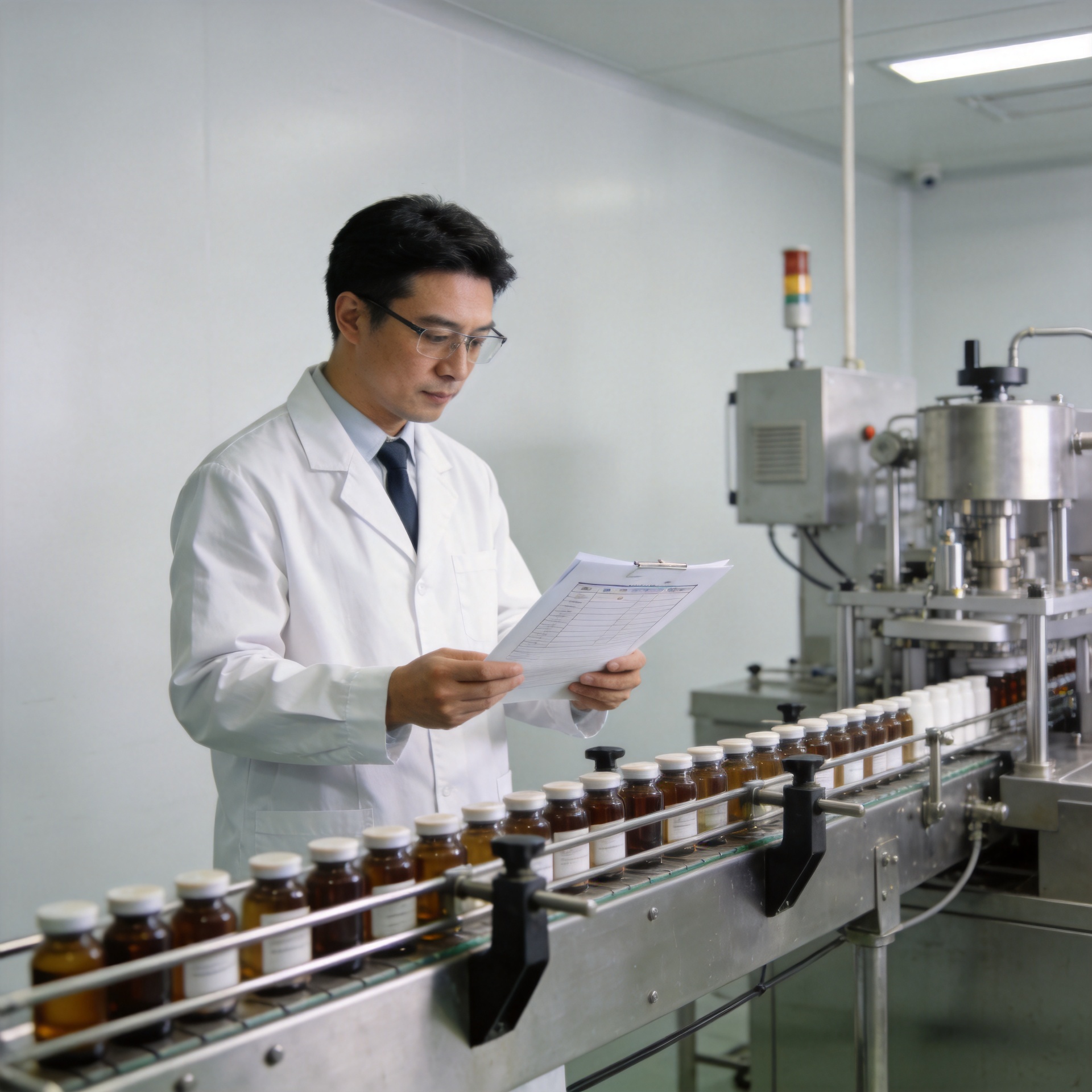
A clean production floor is not the same as a GMP-compliant one. The real question during a factory audit is whether batch release procedures are documented, followed consistently, and traceable—not just whether the facility looks tidy during a scheduled visit.
A useful signal during an in-person walkthrough is how a skincare OEM manufacturer handles the operational details that are harder to stage: how staff manage end-of-line labeling, how raw material containers are identified and quarantined, and whether cleaning records are posted and current. These routine practices reveal more about quality culture than any certification document. Visual tidiness is straightforward to prepare for a scheduled tour; consistent procedural compliance takes more discipline to maintain, and records provide a more reliable verification pathway than physical appearance alone.
Red Flag 5: Certifications Without Supporting Evidence
A manufacturer with multiple certifications is not automatically more compliant than one with fewer. What matters more is whether their quality system is actively maintained and followed in practice—not just documented for audit appearances. During supplier vetting, ask for evidence behind each certification: the issuing body, the scope covered, the last audit date, and whether the certification is currently valid and traceable.
An internationally recognized certification such as CCIC involves third-party verification that the facility meets defined quality and compliance standards. That is meaningfully different from a certificate that cannot be linked to a recognized issuing authority. When auditing a Chinese skincare OEM manufacturer, being able to verify the certification independently—rather than relying on documents provided by the supplier—is a basic due diligence step.
Red Flag 6: No English-Capable Technical Communication
If your procurement or technical team is not Chinese-speaking, your ability to understand what is actually happening at a manufacturer's facility depends on the quality of their bilingual communication capability. A skincare OEM manufacturer who can only connect you with a general sales contact—without English-capable technical staff who understand formulation details, batch records, and regulatory documentation—creates a structural oversight gap.
Communication gaps in cross-border manufacturing rarely stay minor. A misunderstood viscosity specification at the formulation brief stage can turn into a full reformulation request by the time the batch is complete. INCI errors in ingredient declarations, incorrectly interpreted stability test results, or ambiguous labeling instructions are all common downstream consequences. Whether that level of oversight is acceptable really depends on the complexity of your product—but for leave-on formulas, intimate care categories, or products destined for regulated markets, I would want more direct technical access before moving forward.
Red Flag 7: No Direct Factory Access—Only a Trading Company
Sourcing through a trading company intermediary means you may not have direct access to the manufacturing facility, its documentation, or its quality management team. This creates a supply chain opacity problem that becomes acute at the factory audit stage: you cannot verify what you cannot directly observe or request.
Buyers who discover that their "manufacturer" is actually a trading agent with no direct production facility face two compounding problems: they cannot complete a meaningful factory audit, and if quality or regulatory issues surface, the accountability chain is unclear. A direct relationship with the skincare OEM manufacturer—including the ability to visit, request records, and communicate with the technical team—is a prerequisite for effective supplier vetting in the Chinese skincare OEM space.
What a Transparent Skincare OEM Manufacturer Actually Looks Like
Working with a Chinese skincare OEM manufacturer is not inherently high risk. Manufacturers that operate with CCIC certification, GMP-aligned production documentation, English-capable project communication, and direct client access show that the right type of partner is genuinely available. A well-run manufacturer will welcome a factory audit, provide documentation on request, have experienced quality events and know how to communicate about them clearly, and give you a direct view of their production environment.
If your shortlisted skincare OEM manufacturer hesitates on any of the seven areas above, it is worth understanding why before committing to a production relationship. The audit stage is the point in supplier vetting where the real qualification happens—and how a manufacturer responds to your questions tells you more about the relationship you can expect than any initial pitch ever will.