 EN
EN
What Separates a Natural Skin Care Manufacturer From an Ordinary Cosmetics Factory?
When brands start sourcing skincare production, a common early question is whether the factory type really matters, as long as the samples look good. The difference between a dedicated natural skin care manufacturer and a conventional cosmetics factory runs considerably deeper than ingredient labels. It shows up in formulation philosophy, sourcing traceability, certification infrastructure, and quality standards that only become visible when a brand tries to scale or enter a regulated export market.
There is no universal answer here. But understanding where the structural differences lie is what allows a brand owner to make a sourcing decision that actually fits their production needs.
Formulation Philosophy: Purpose-Built vs. Commodity Production
A conventional cosmetics factory is typically optimized to produce at volume. Its formulation catalog is built around cost-efficiency, fast turnaround, and broad applicability across multiple clients and categories. For brands that need a standard moisturizer, cleanser, or toner without significant differentiation requirements, that works reasonably well.
A natural skin care manufacturer starts from a different premise. The formulation brief begins with ingredient philosophy: what goes in, what stays out, and why. For a manufacturer working within a botanical or traditional herbal medicine framework, building additive-free principles into the base development process is a design constraint, not a finishing consideration. The difference is not just in the ingredient list. It is in what the R&D team knows how to formulate around, and how they approach the tradeoffs between efficacy, stability, and safety when working with herbal actives.
There is a common assumption that herbal-based formulations automatically mean safer. Safety comes from concentration control and compatibility testing, not from the ingredient source alone. A dedicated natural skin care manufacturer will have the process infrastructure to handle both. Conventional factories that produce natural-labeled products as one segment among many may lack the botanical formulation depth to manage these variables consistently.
Ingredient Sourcing and Traceability
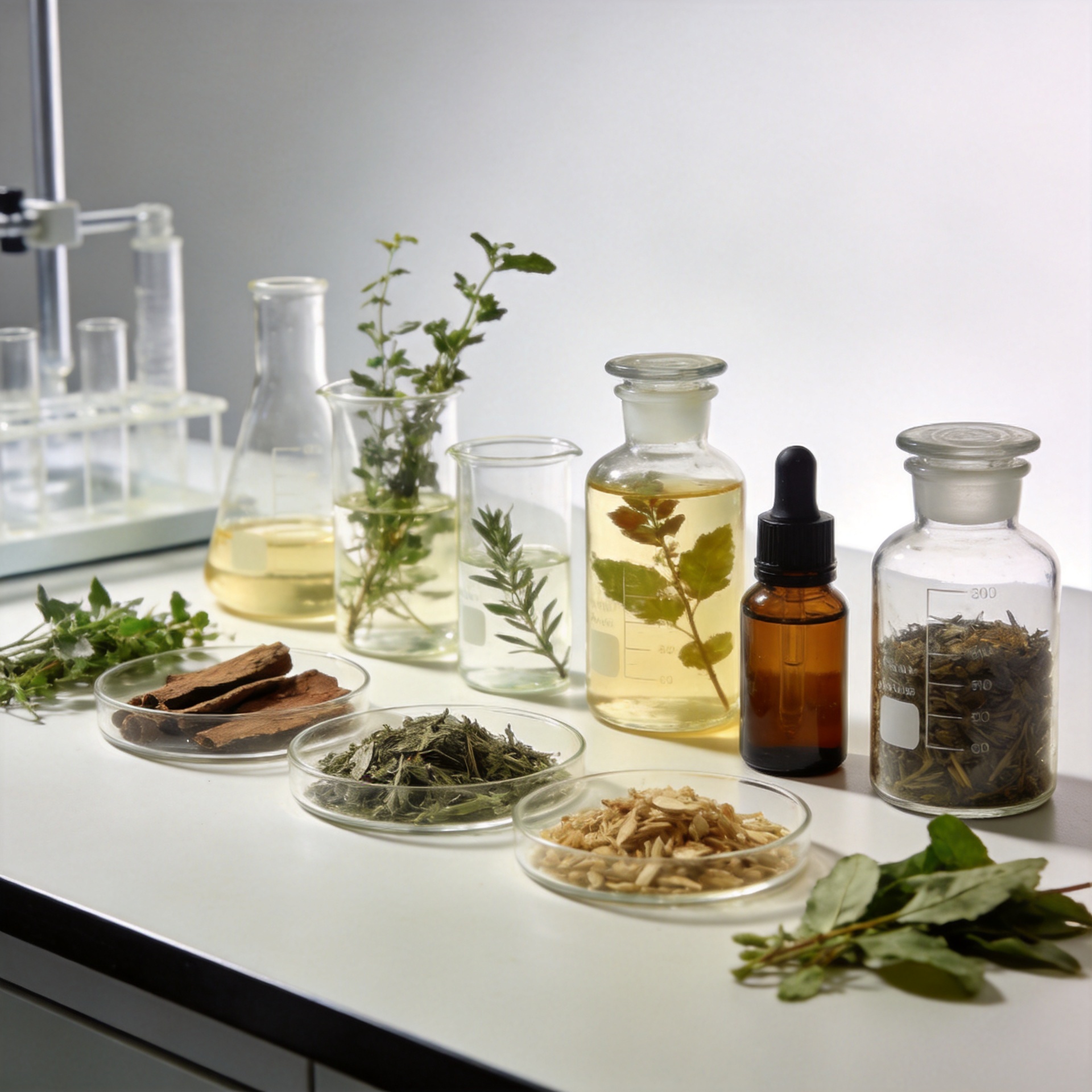
One of the clearest practical differences between a natural skin care manufacturer and an ordinary cosmetics factory is ingredient sourcing discipline. Natural-focused manufacturers typically maintain established relationships with botanical raw material suppliers and can provide batch-level traceability documentation: origin records, extraction method summaries, and quality acceptance criteria that confirm consistency across production runs.
Herbal and plant-based actives vary in potency between harvest years and geographic sources. A manufacturer without provenance controls produces formulas where active concentration can vary batch-to-batch in ways that are invisible at the finished product stage, until a retailer or regulatory audit requests documentation. Beyond quality consistency, brands building on a natural or clean beauty positioning need to substantiate ingredient claims. If the manufacturer cannot provide origin documentation, the brand cannot communicate transparently about what is in the product, and that gap creates both marketing and compliance exposure.
For brands targeting the US market and needing to substantiate organic claims, NSF/ANSI 305, the only American national standard for organic personal care products, requires at least 70% organic ingredients by weight (excluding water, salt, and mined minerals) along with full ingredient traceability as a condition of certification. Ordinary cosmetics factories typically do not maintain supply chains that can support this level of documentation, because their sourcing networks were not designed for it.
Certification Infrastructure
Serious organic skincare oem factory operations tend to work within certification frameworks that conventional manufacturers do not pursue: COSMOS Organic, COSMOS Natural (recognized in the EU, UK, US, and Australia), Ecocert, NSF/ANSI 305, NATRUE, and retailer-specific standards such as EWG Verified. These certifications require ongoing audits, supply chain controls, and documentation systems that add real operational overhead, but they also create a verifiable quality baseline that sophisticated buyers and retailers can rely on.
A manufacturer with multiple certifications on paper is not automatically more compliant than one with fewer. What matters more is whether their quality system is actively maintained and followed. When evaluating a potential natural skin care manufacturer, asking how they handle non-conformances in botanical ingredient sourcing tells you more about their operational quality than a certificate count does.
Conventional cosmetics factories hold the baseline: ISO 22716:2007, the GMP standard for cosmetics manufacturing, and relevant export certifications for their target markets. That baseline is necessary but does not extend to natural ingredient handling, botanical actives stability documentation, or the traceability depth required for organic certification claims.
Quality Control Protocols for Natural Formulations
Natural formulations introduce quality control variables that conventional manufacturing processes are not designed to handle. Botanical extracts can shift color, viscosity, or fragrance profile between batches when raw material sourcing is not tightly controlled. Water-based herbal formulas require preservation systems that balance natural ingredient compatibility with shelf life requirements: a technically demanding problem that many ordinary factories address by defaulting to synthetic preservatives, which then conflict with the brand's natural positioning.
A specialized natural skin care manufacturer builds quality checkpoints around these specific challenges: in-process pH monitoring, botanical active concentration verification, and stability testing under conditions that reflect actual distribution environments. For brands exporting to markets with different temperature and humidity ranges, the US, Southeast Asia, or the EU, stability testing designed for those conditions determines whether the formula performs as approved when it reaches the end consumer.
R&D Depth and Client Documentation Support
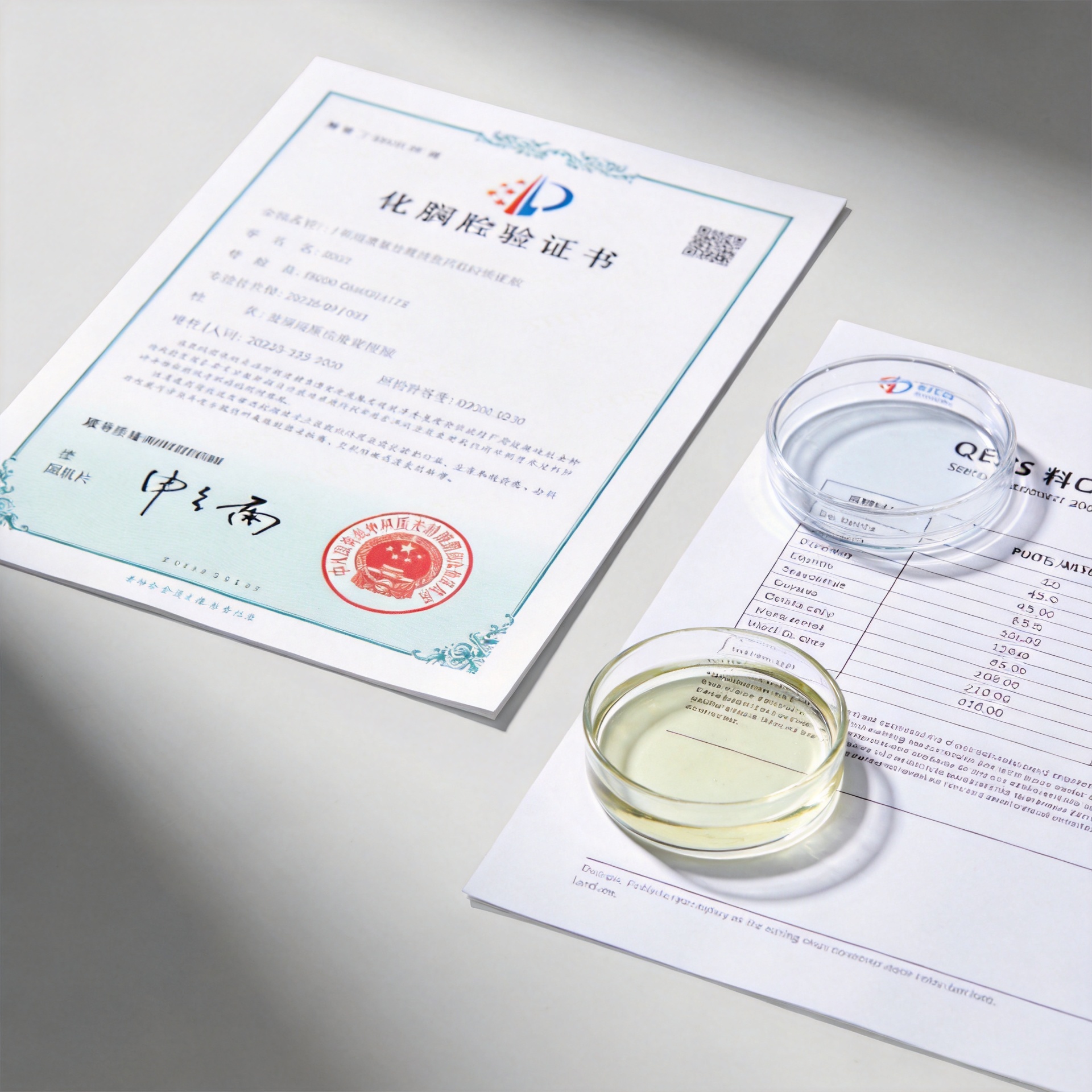
For a clean beauty product manufacturer, the R&D relationship with brand clients extends beyond formula delivery. It includes guidance on ingredient restrictions relevant to target export markets, documentation support for cosmetic registration, and the ability to adapt formulations for different distribution channels without rebuilding from scratch. That kind of support comes from R&D teams that work continuously within natural and botanical formulation, not teams that treat it as one job type among many.
Conventional cosmetics factories offer this service in standard categories. Where they tend to fall short is in the depth of botanical knowledge required to develop genuinely differentiated natural formulas, manage natural preservation system tradeoffs, and produce the documentation that retailers and import markets require as standard practice.
How to Decide Which Type of Factory Your Brand Needs
If your brand positioning is built on natural, organic, or clean beauty claims, working with a natural skin care manufacturer genuinely equipped for botanical formulation is not just a preference. It is a production requirement. The documentation systems, certification infrastructure, and ingredient handling expertise your brand needs to operate credibly in those markets exist at specialized manufacturers, not at conventional factories that treat natural options as one segment among many.
For brands earlier in their development, still validating a market concept before committing fully to a natural positioning, a conventional factory may be a reasonable entry point. The question is whether your product's ingredient story is a central part of your brand's value proposition, or secondary to price, speed, and volume flexibility.
Working with a manufacturer that combines botanical formulation expertise, export-ready documentation, and direct international client access reduces a meaningful amount of coordination overhead. The distinction between a factory that produces natural-labeled products and a manufacturer that genuinely operates within a natural ingredient framework becomes most visible when a retailer audit or import documentation request arrives, and the traceability either exists or it does not.