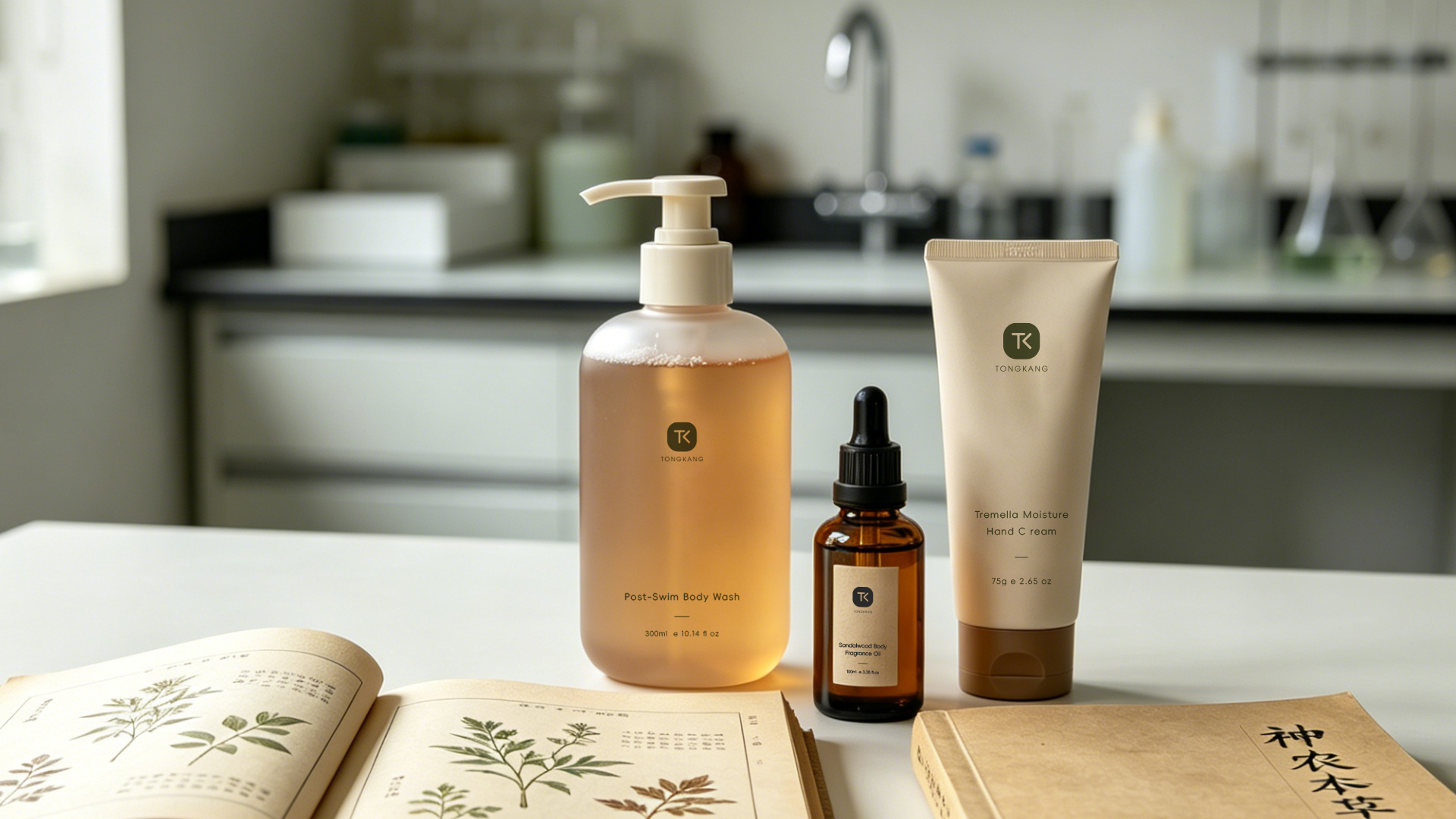
Choosing the right cosmetic contract manufacturer packaging is a strategic decision that affects formula stability, user experience, brand perception, and supply chain efficiency. For herbal skincare, intimate care, and topical care products, packaging is not merely a container. It is a protection system, a dispensing system, and a communication tool. A well-chosen package preserves botanical actives, delivers the correct dose, prevents contamination, and tells the customer what the product stands for. When brands search for a cosmetic contract manufacturer packaging partner, they often focus on unit price. However, the true cost includes compatibility testing, filling efficiency, leakage rates, shipping damage, and customer complaints. A low-cost bottle that reacts with a herbal formula can lead to oxidation, color change, or separation. A poorly designed intimate care applicator can create hygiene concerns. A tube with incompatible decoration may crack during transit. Tongkang approaches packaging as part of product development, not an afterthought. The first step is to define the formula profile. Is it water-based, oil-based, emulsion, gel, or anhydrous? What is the pH? Does it contain essential oils, herbal extracts, acids, or preservatives that may interact with certain plastics? What is the desired texture and dispensing behavior? For example, a lightweight herbal serum may need an airless pump or dropper bottle to control dosage and limit air exposure. A rich topical balm may be better in a wide-mouth jar. An intimate care gel may require a tube with a precise nozzle and a tamper-evident seal. These decisions should be made before artwork and tooling. The second step is material selection. Common options include PET, PP, PE, glass, acrylic, and eco-friendly materials such as PCR or biodegradable alternatives. Each material has different barrier properties, chemical resistance, weight, cost, and recyclability. Glass offers a premium feel and good chemical inertness, but it is heavier and breakable. Plastic offers design flexibility and lower shipping weight, but compatibility must be verified. Airless packaging can improve preservation for sensitive formulas by reducing contact with air. We help brands balance performance, aesthetics, and budget. The third step is decoration and branding. Cosmetic contract manufacturer packaging can be customized with silk screen printing, hot stamping, labeling, shrink sleeves, and coating. Decoration must withstand filling, shipping, and daily use. For export markets, labeling must comply with local regulations, including ingredient lists, warnings, batch codes, and manufacturer information. Tongkang supports artwork review and dieline preparation to reduce errors. The fourth step is filling and quality control. Packaging must run efficiently on filling lines. We check neck finish, orifice size, cap torque, and leakage resistance. Samples are tested for compatibility, stability, and transit performance. This is especially important for herbal and intimate care products where formula integrity and hygiene are critical. We also consider MOQ, lead time, and inventory planning so brands can launch with confidence and scale as demand grows. Finally, packaging should reflect market positioning. A premium herbal skincare brand may choose frosted glass and minimal decoration, while a mass-market intimate care line may prioritize practicality, discreet design, and cost efficiency. By aligning cosmetic contract manufacturer packaging with the target audience, brands create a stronger first impression and a better user experience. Tongkang works with clients across different cultures and markets, adapting packaging recommendations to local preferences, regulatory expectations, and retail environments.
22
Jun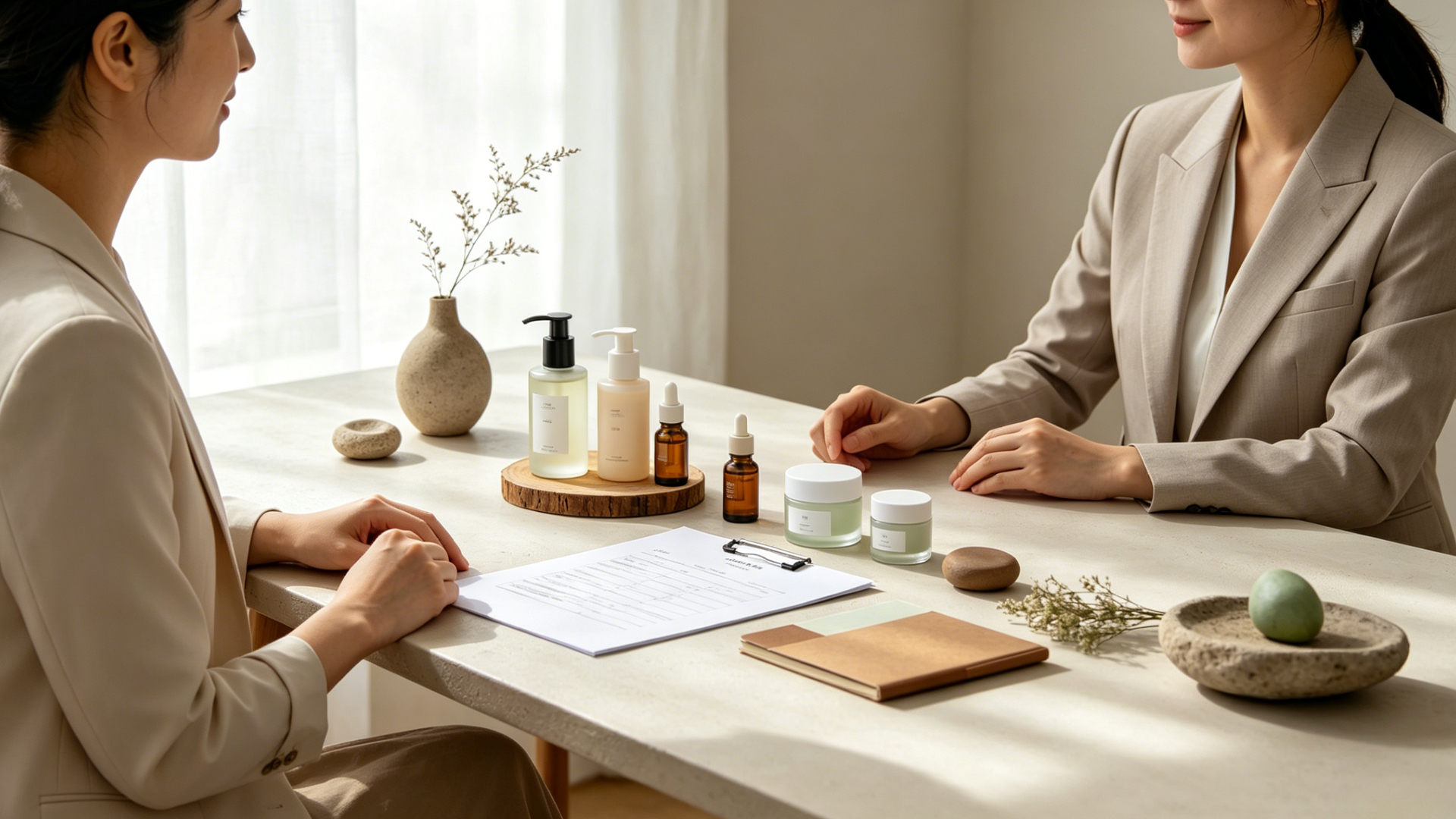
22
Jun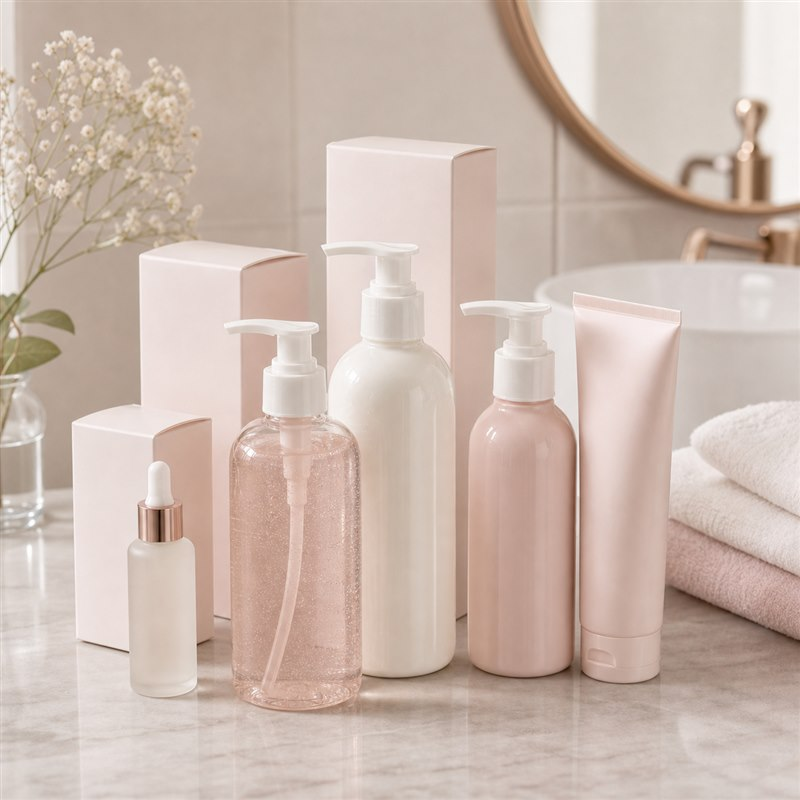
20
Jul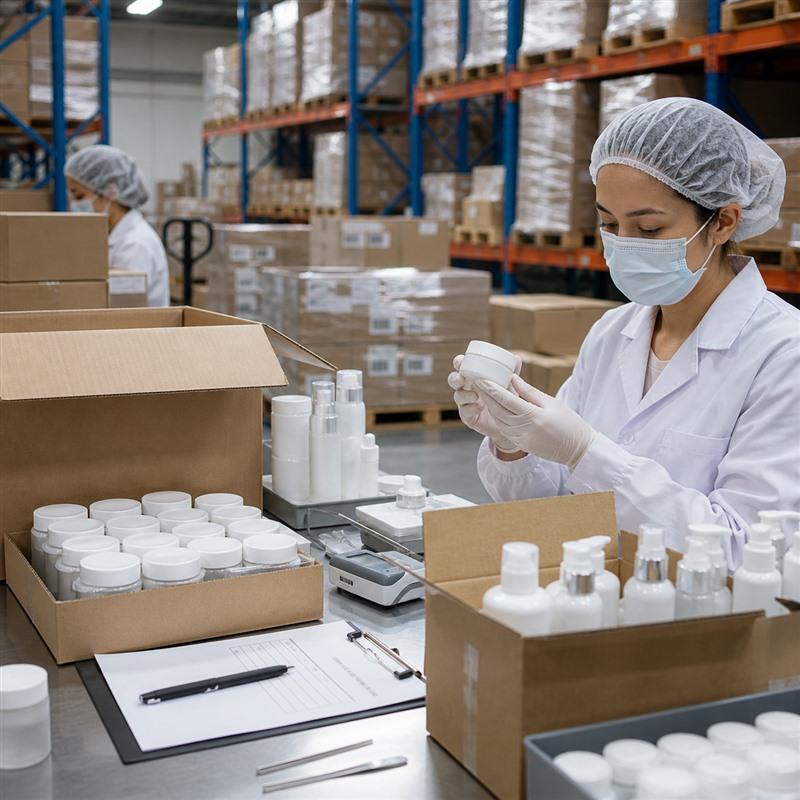
27
Jul
 EN
EN