 EN
EN
Is custom formula development free at reliable cosmetic contract manufacturer?
Custom Formula Development Cost at Manufacturers
An Australian indie brand approached a cosmetic contract manufacturer with a detailed concept for a sensitive-skin moisturizer featuring Australian natives — Kakadu plum extract, lemon myrtle oil, and quandong. The manufacturer offered "free formula development" with a condition: the brand must commit to a 50,000-unit minimum order before receiving samples of the custom formula. Another manufacturer quoted a 3,500 formula development fee — refundable against the first production order above 10,000 units — and delivered three sample iterations within six weeks with no volume commitment required. The brand chose the second manufacturer. The "free" development with a 50,000-unit lock-in would have committed AU180,000 in production orders for a formula the brand had never tested on real customers.
The question of whether custom formula development is free at a cosmetic contract manufacturer has a practical answer: real customization involves R&D labor, ingredient procurement, prototype preparation, stability testing, and reformulation cycles — all of which cost money. The question a brand should ask is not whether development is free, but whether the cost structure is transparent and fair.
What "Free Formula Development" Usually Means
When a cosmetic contract manufacturer offers free formula development, one of two things is happening. The first possibility is the manufacturer is offering a stock formula — an existing mature formulation that requires minimal adjustment, perhaps a fragrance substitution or a minor texture tweak. Stock formula development is genuinely low-cost for the factory because the R&D work was completed long ago and amortized across multiple clients. The brand gets a formula that works and is stable — but is not unique and may be identical to products sold by other brands under different labels.
The second possibility is that the development cost is built into the unit price. A manufacturer quoting free development and 3.20 per unit for 10,000 units is collecting 32,000. A manufacturer quoting 3,000 development and 2.85 per unit is collecting $31,500 — effectively the same total. The "free" version is not cheaper; it hides the development cost in packaging and obscures the true cost structure from the brand. Transparent pricing — where development and production costs are separated — allows the brand to negotiate each element independently and evaluate whether the quoted unit production price is competitive after the formula has been developed and validated.
The Real Costs Behind Custom Formula Development
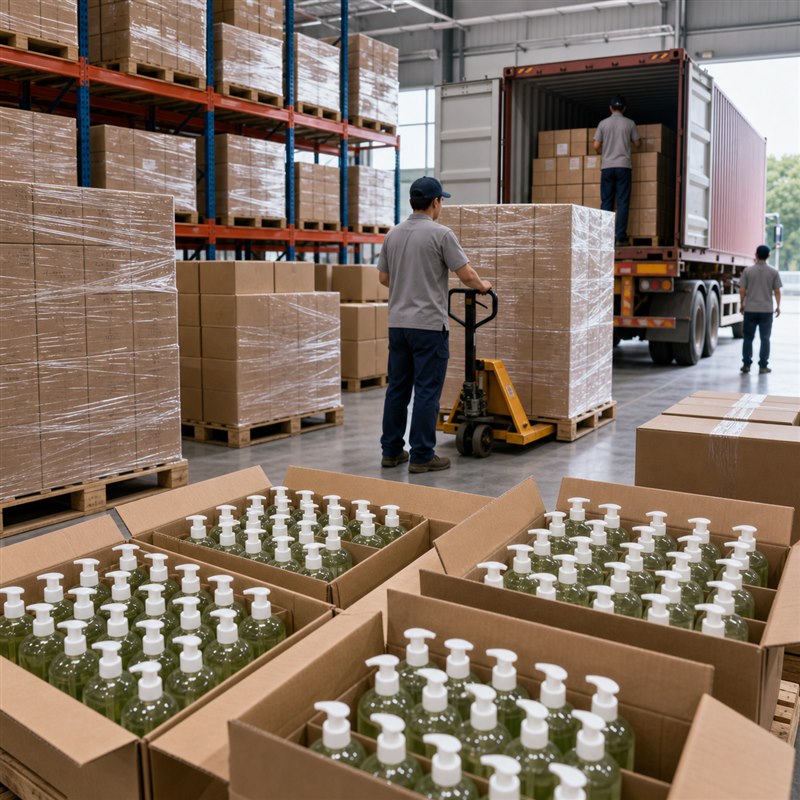
Custom formula development at a cosmetic contract manufacturer involves several cost components that cannot be eliminated. R&D formulator labor is the largest line item — an experienced cosmetic chemist spends 20-40 hours developing a new formula from scratch, iterating through emulsifier systems, texture modifiers, active-ingredient compatibility, and sensory optimization. Ingredient procurement for small-scale prototype preparation requires the manufacturer to purchase minimum quantities of specialty ingredients that may be used only for that project — a single botanical extract at R&D scale might cost $200-500 for a quantity sufficient for 10-15 lab batches.
Stability testing is mandatory and expensive. Accelerated stability testing at 40°C/75% relative humidity for three months monitors pH drift, viscosity change, emulsion separation, color shift, and odor development. Challenge testing — inoculation with standardized microbial strains followed by monitoring over 28 days — verifies the preservation system. Together, these tests represent $800-1,500 in direct costs plus the formulator time to prepare and monitor the samples.
Reformulation cycles add further cost. A first prototype rarely meets all the brand's expectations — the texture is too heavy, the absorption too slow, the botanical scent too strong. Each reformulation cycle requires the formulator to adjust ingredient ratios, prepare new lab batches, and evaluate the result. Three to five cycles before final sample approval is normal for a genuinely customized formula. A manufacturer quoting free development for unlimited revisions is either absorbing costs it will recover elsewhere or limiting the number of revisions in the fine print.
Fee Models That Align Interests
A cosmetic contract manufacturer with transparent practices typically structures development fees in one of three ways. The deposit model charges a development fee refundable against the first production order — the brand pays for development, but that payment reduces the production invoice once the project enters manufacturing. This aligns interests: the manufacturer is compensated for R&D work regardless of whether the project proceeds to production, and the brand is not paying development costs on top of production costs if the project succeeds.
The milestone model splits development into distinct phases — concept development, prototype preparation, stability testing, and pilot batch — with each phase billed upon completion. The brand can exit after any phase without paying for work not yet performed. This model suits brands that are still validating market demand and may not proceed to production.
The retainer-plus-royalty model charges reduced upfront development fees in exchange for a per-unit royalty on production orders. This model suits brands with strong sales projections who prefer to minimize initial capital outlay, but it increases per-unit cost in production and reduces long-term margin.
Frequently Asked Questions
Is free formula development at a cosmetic contract manufacturer actually free?
Rarely. Free development typically means either the manufacturer is offering a pre-existing stock formula requiring minimal adjustment, or the development cost is embedded in a higher per-unit production price or a large minimum order commitment. Transparent pricing separates development and production costs so the brand can evaluate each independently.
What is the difference between a stock formula and a custom formula?
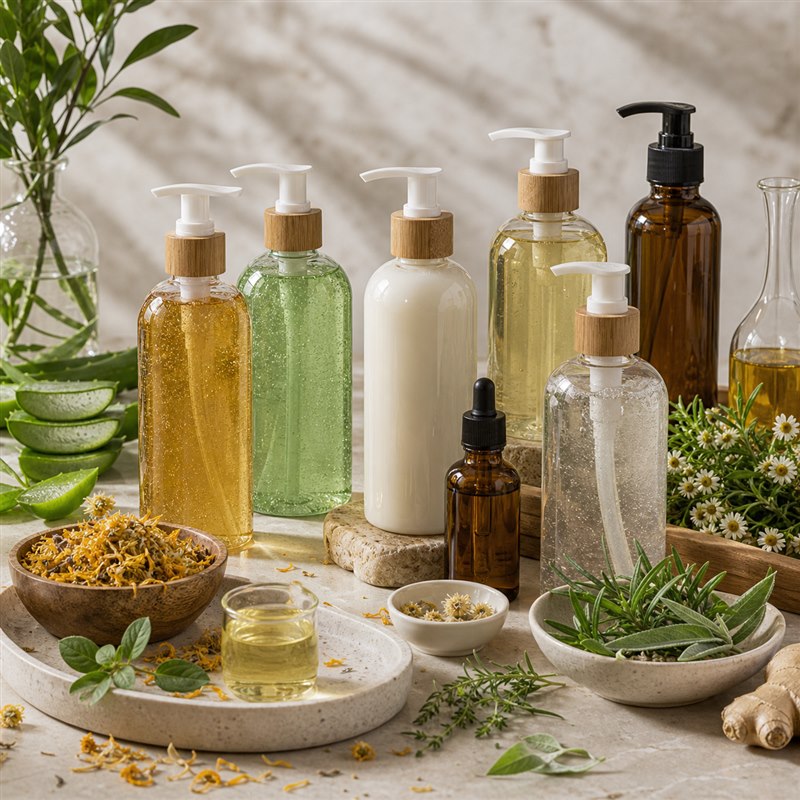
A stock formula is an existing, mature, stability-tested formulation the manufacturer has previously developed and produced — available for use by multiple brands. A custom formula is developed specifically for one brand, with unique ingredient combinations, texture, and functional positioning. Stock formulas reduce development time and cost; custom formulas provide market differentiation and exclusive product identity.
How much does custom skincare formula development typically cost?
Custom formula development for a single skincare product — cream, serum, cleanser — typically ranges from 2,000 to 8,000 including R&D labor, ingredient procurement, prototype preparation, stability testing, and 3-5 revision cycles. Complex formulations with multiple active ingredients, natural preservation systems, or unusual textures fall toward the higher end. Development fees refundable against production orders effectively reduce the net cost to zero if production proceeds.
How many sample revisions are included in cosmetic OEM development?
Three to five sample revisions are standard in a properly scoped development project. A cosmetic contract manufacturer offering unlimited free revisions is either setting expectations for a stock formula with minor adjustments or will absorb the cost through higher production pricing. Reasonable revision limits with clear scope per revision produce better results than open-ended promises.
What testing should be included in formula development?
Accelerated stability testing (3 months at 40°C/75% RH), challenge testing (28-day microbial preservation verification), and compatibility testing with the selected packaging are the minimum. Additional testing — dermatological testing for sensitive-skin claims, SPF determination, active-ingredient assay — are project-specific and may be quoted separately.
At what point should a brand commit to production after formula development?
Commit to production only after receiving and approving the final pilot batch — a small production-scale batch (typically 50-200 kg) manufactured on the production line rather than in the lab. The pilot batch confirms that the formula scales from lab beaker to production mixer without changes in texture, stability, or sensory properties. Brands that skip the pilot batch and commit based on lab samples risk receiving production batches that differ from the approved prototype.