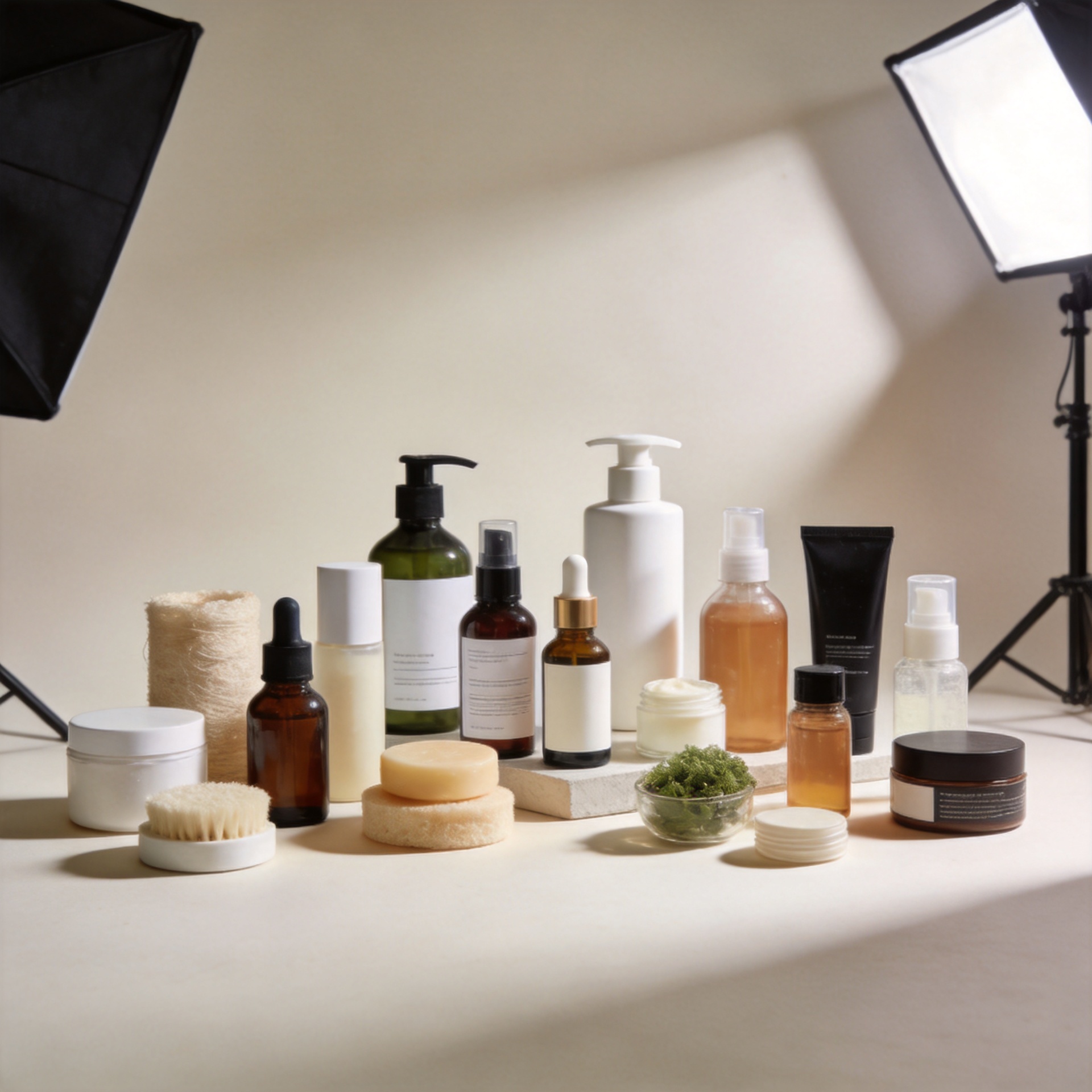
Organic skincare manufacturer packaging sits at the intersection of chemistry, design, logistics, and consumer psychology. A brand that markets itself as organic, herbal, or naturally derived makes an implicit promise: the product inside is gentle, responsibly made, and safe for regular use. Packaging either reinforces that promise or undermines it. A heavy, poorly sealed jar can allow oxidation that changes the color and scent of a botanical formula. A pump that dispenses too much product wastes expensive actives. A carton printed with non-recyclable lamination may conflict with the environmental values the brand promotes. These details matter because customers increasingly read packaging as evidence of a brand’s integrity, not just as decoration. For manufacturers, the challenge is balancing protection, aesthetics, cost, and compliance across very different markets. In Europe, buyers often expect refillable or recyclable formats and clear material labeling. In North America, convenience and clear usage instructions drive repeat purchase. In parts of Asia and the Middle East, premium finishes and gift-ready presentation can strongly influence perceived value. A capable organic skincare manufacturer packaging partner helps brands navigate these differences without forcing a single template onto every market. Material selection is a central decision. Glass offers a premium feel and is chemically inert, making it suitable for many botanical extracts, but it is heavier and requires careful shipping protection. Airless plastic systems protect sensitive actives from air and contamination while reducing preservative demand, which appeals to clean-beauty positioning. Aluminum tubes provide excellent barrier properties and are lightweight, though they require compatible linings for certain formulas. PCR plastic supports circular-economy claims, but color consistency and availability must be planned early. Bio-based plastics can strengthen sustainability narratives, yet they may have different processing and end-of-life characteristics that need honest communication. Closure systems are equally important: droppers, disc-top caps, fine-mist sprayers, and airless pumps each serve a specific product texture and usage habit. Beyond primary packaging, secondary packaging carries regulatory and storytelling weight. Folding cartons can display ingredient lists, usage guidance, certifications, batch codes, and recycling instructions. Inserts can explain the herbal sourcing story or the extraction technology behind the formula. For intimate care and topical care, discreet and hygienic packaging design often influences purchase decisions, especially in markets where privacy is valued. Our approach is to treat packaging as part of product development, not an afterthought. We review the formula, target market, price tier, and channel, then recommend a packaging architecture that works technically and commercially. Sampling and compatibility checks help confirm the choice before mass production. Because we also handle formulation and filling, brands avoid the gaps that appear when packaging and formula are developed separately. The outcome is packaging that protects the product, supports the brand story, satisfies regulatory expectations, and creates a positive first impression. For any brand serious about organic positioning, the packaging decision deserves the same rigor as the formula itself.